



What is Pelvic Congestion Syndrome (PCS)?

Understanding a Vascular Cause of Chronic Pelvic Pain

If you have been living with a persistent, dull ache in your pelvis — pain that has not been explained despite gynaecological assessments, ultrasounds, MRIs, and specialist consultations — you are not alone.

Pelvic Congestion Syndrome (PCS), now increasingly referred to by specialists as Pelvic Venous Disorder (PeVD), is a vascular condition caused by varicose veins forming in and around the uterus, the ovaries, the vagina, and other pelvic tissues. Because its symptoms closely overlap with common gynaecological conditions such as endometriosis and fibroids, and because standard ultrasound scans do not routinely assess venous blood flow dynamics, it is frequently misidentified or missed altogether.

A specialist vascular assessment — using imaging designed specifically to evaluate how blood flows through the pelvic veins — may help identify whether a venous cause is contributing to your symptoms.

pcsimage pcsimage mob

How Common Is Pelvic Congestion Syndrome?

PCS is more common than many women — and some clinicians — realise. It is estimated to affect between 10% and 30% of women of reproductive age, though reported figures vary across studies depending on the diagnostic criteria and populations assessed.

woman-suffering-from-strong-abdominal-pain-2025-01-07-22-17-35-utc (1) Frame 3547

Referenced Prevalence Data:

PCS is estimated to account for up to 30% of cases among women investigated for unexplained chronic pelvic pain, and for approximately 10% to 20% of all gynaecological consultations for chronic pelvic pain. Population-level prevalence data vary across studies, reflecting differences in diagnostic criteria and the populations assessed. (Champaneria R et al. Women’s Health, 2012; Gloviczki P et al. J Vasc Surg Venous Lymphat Disord, 2021)

Chronic pelvic pain — of which PCS is one recognised cause — is reported in approximately 5.7% to 26.6% of women globally, though figures vary widely depending on the study population and diagnostic criteria used. (Speer LM et al. Am Fam Physician, 2016)

PCS accounts for an estimated 10% to 20% of specialist gynaecology consultations for chronic pelvic pain, yet only around 40% of these cases are referred onward to subspecialist services for further evaluation. (Asciutto G et al. J Vasc Surg Venous Lymphat Disord, 2021)


Make An Enquiry

Who Is Affected By PCS?

PCS is most commonly identified in women between the ages of 20 and 45 who have had two or more pregnancies, though it is not limited to this group. The following categories of women are recognised in the clinical literature as being at higher risk:

  • Women who have had two or more pregnancies

    Each pregnancy increases the cumulative strain on venous valves in the pelvis through increased blood volume and mechanical pressure from the growing uterus. Pelvic vein capacity is estimated to increase by up to 60% during pregnancy.

  • Women who have had a single pregnancy

    Though less common, PCS can occur after one pregnancy.

  • Women with hormonal risk factors

    Conditions associated with elevated oestrogen levels, such as polycystic ovary syndrome (PCOS), or the use of oestrogen-containing therapies, may increase susceptibility, as oestrogen is known to weaken vein walls and promote venous dilatation.

  • Women with a family history of varicose veins or venous insufficiency

    A genetic predisposition to weak vein walls may increase susceptibility.

  • Post-menopausal women

    PCS is predominantly a condition of reproductive-age women and symptoms commonly improve after menopause. However, emerging case evidence suggests PCS can occasionally persist or present in post-menopausal women, particularly where pelvic veins have been significantly dilated previously. This remains an area of limited systematic research.

It is important to note that the absence of a pregnancy history does not exclude PCS. Women who have not had children can also develop pelvic venous disorder, particularly when an anatomical compression variant such as nutcracker syndrome or May-Thurner syndrome is present.


Could Your Symptoms Be Related to PCS?

The symptoms of PCS overlap with several gynaecological conditions. Our self-assessment tool helps you identify whether your pattern of symptoms may warrant a specialist vascular evaluation.

Symptoms Of Pelvic Congestion Syndrome

The symptoms of PCS vary among individuals and may range from intermittent discomfort to persistent pain that significantly affects daily life, work, exercise, and relationships. The following symptoms are commonly reported by women who are subsequently found to have PCS:

Painful menstrual periods (dysmenorrhea)

A persistent, dull or gnawing ache in the lower abdomen or pelvis

Visible varicose veins in the legs, around the vulva, perineum, or upper inner thighs

Irritable bowel-type symptoms

Pain that worsens after prolonged standing, walking, or physical activity — and improves when lying down (this postural pattern is a clinically important feature of PCS)

Bladder symptoms — including an urgent or frequent need to pass urine, pain on urination (dysuria), or stress incontinence (leakage triggered by coughing or physical exertion)

Lower back pain and leg heaviness, particularly in the days before or during a period

Pain during or after sexual intercourse (dyspareunia)

The emotional weight of living with unexplained chronic pain should also be acknowledged. Many women with PCS describe anxiety, low mood, guilt about time away from family or work, and the frustration of repeated consultations that have not produced a clear answer. These experiences are recognised as part of the broader impact of the condition and are addressed as part of a comprehensive care approach.

What Causes PCS To Develop?

Venous Valve Failure

The primary mechanism underlying PCS is the failure of one-way valves within the pelvic veins. Healthy venous valves keep blood moving upward towards the heart. When these valves weaken or fail — a condition called venous reflux — blood flows backwards and pools within the pelvic veins. Over time, this sustained backpressure causes the veins to dilate and form pelvic varices.

Recognised Risk Factors

Several factors are associated with the development of venous valve failure in the pelvis:

  • Multiple pregnancies — increased blood volume and mechanical compression of pelvic veins during each pregnancy places cumulative strain on venous valves
  • Hormonal influences — oestrogen promotes relaxation and dilation of vein walls; this is one reason PCS is more common in premenopausal women and why symptoms often fluctuate with the menstrual cycle
  • Prolonged standing or static postures — sustained gravitational pressure reduces the efficiency of weakened venous valves
  • Genetic predisposition — a family history of varicose veins or connective tissue disorders may increase susceptibility

Anatomical Compression Variants

In some individuals, PCS arises not primarily from valve failure but from structural compression of major pelvic or abdominal veins. These variants raise venous pressure within the pelvis, eventually overwhelming the venous valves even when they are otherwise intact.

  • Nutcracker syndrome — compression of the left renal vein between the aorta and the superior mesenteric artery. This obstruction can cause blood to reroute through the left ovarian vein, overloading it and causing reflux. Symptoms may include left-sided pelvic pain and blood in the urine.
  • May-Thurner syndrome — compression of the left common iliac vein between the overlying right common iliac artery and the lumbar spine. This impairs venous drainage from the left leg and pelvis, contributing to pelvic venous hypertension. Symptoms may include left leg swelling and asymmetric varicose veins.

Identifying whether PCS is primary (valve-driven) or secondary (compression-driven) is clinically important, as the management approach may differ significantly between these presentations.

Endovascular or Minimally Invasive Treatments for Pelvic Venous Disorder (PeVD) or Pelvic Congestion Syndrome

These are procedures done to correct the abnormal blood flow and reduce the pooled blood volume in the deep veins of the pelvis. Different procedure options are required depending on the precise location of the problem in the pelvic veins, whether further pregnancies are planned and what the symptoms are. This emphasises the importance of an accurate diagnosis as well as symptom assessment. These procedures may need to be combined in patients where the veins at multiple sites are involved.


Condition Primary Cause Key Distinguishing Feature Relevant Assessment
Pelvic Congestion Syndrome (PCS) Venous valve failure / anatomical compression Pain is worse when upright; improves lying down; pelvic varicose veins Pelvic duplex ultrasound; venography
Endometriosis Endometrial-like tissue growing outside the uterus Pain that may be cyclical or continuous throughout the month; may cause scarring and adhesions Laparoscopy (gold standard); pelvic MRI
Uterine Fibroids Non-cancerous uterine muscle growth Heavy menstrual bleeding; pressure symptoms; uterine enlargement on scan Pelvic ultrasound; MRI
Ovarian Cysts Fluid-filled sacs on or within the ovary Often acute onset; may resolve spontaneously; detectable on standard ultrasound Transvaginal ultrasound; serial monitoring
Musculoskeletal Pelvic Pain Pelvic floor dysfunction or referred musculoskeletal pain Pain related to posture, movement, and physical loading; often responds to physiotherapy Physiotherapy assessment; dynamic ultrasound
Adenomyosis Endometrial-like tissue growing into the uterine muscle wall Progressively worsening cyclical pain; heavy bleeding; uterine enlargement Transvaginal ultrasound (TVUS); pelvic MRI


It is important to note that these conditions can coexist. PCS may be present alongside endometriosis, fibroids, or pelvic floor dysfunction. A comprehensive assessment considers all contributing factors rather than attributing symptoms to a single cause.

Why Is PCS Frequently Underdiagnosed?

Despite being estimated to affect a substantial proportion of women with chronic pelvic pain, PCS remains underdiagnosed for several related reasons:

Standard Imaging Does Not Assess Vein Function

Routine pelvic ultrasound scans and MRI investigations are designed to assess the structure of pelvic organs — the uterus, ovaries, and surrounding tissues. They are not routinely performed in a way that evaluates the functional behaviour of pelvic veins: specifically, whether blood is flowing backwards through incompetent valves and pooling in the pelvis.

A specialist duplex ultrasound — conducted using a protocol specifically designed to assess pelvic vein blood flow dynamics — is the recommended first-line non-invasive investigation for PCS. Where ultrasound findings are inconclusive, transcatheter venography (a catheter-based imaging procedure) remains the definitive gold standard for confirmation. Both investigations differ from standard gynaecological ultrasound and require specific operator training and equipment protocols.

Symptom Overlap with Gynaecological Conditions

The symptoms of PCS — pelvic pain, painful periods, pain during sex, and lower back discomfort — are shared by many gynaecological conditions. Without a specific index of clinical suspicion for a venous cause, clinicians may appropriately investigate and manage other conditions first, leaving the venous component unidentified.

Awareness Among Clinicians

Awareness of PCS as a distinct, manageable vascular condition has increased significantly in recent years, particularly following the international reclassification from ‘Pelvic Congestion Syndrome’ to the broader term ‘Pelvic Venous Disorder’ (PeVD) in 2021. However, referral pathways to specialist vascular assessment for pelvic pain remain inconsistent in many healthcare settings.

What This Means for Patients

Many women with PCS describe spending months or years visiting multiple clinicians, undergoing repeated investigations that returned inconclusive results, and being told that their pain had no identifiable cause. This experience is sometimes described as a ‘diagnostic odyssey’ — a pattern well-documented in chronic pelvic pain conditions broadly.

If your pelvic pain has persisted for six months or longer despite investigations that have not provided a clear explanation, a specialist venous assessment may provide additional clinical information that has not yet been evaluated.

Not Sure Whether PCS Could Apply to You?

Our symptom self-assessment takes a few minutes and can help you identify whether your symptom pattern may be consistent with Pelvic Venous Disorder. The result does not constitute a diagnosis — it is a guide to help you decide whether a specialist evaluation may be a worthwhile next step.

How Is PCS Diagnosed? — Your Next Step

doctor-consults-with-patient-in-modern-office-2026-03-17-05-03-57-utc (1)

Step 1 — Clinical History and Symptom Assessment

Your specialist will take a detailed history of your symptoms — when they began, how they behave with posture and throughout your menstrual cycle, and how they have responded to any previous treatments. A structured symptom scoring questionnaire is used to map the severity and pattern of your symptoms objectively. You can complete a version of this self-assessment online at venusclinic.sg/self-assessment before your appointment.

close-up-view-doctor-holding-medical-endoscope-s-2026-01-05-06-33-33-utc 1 (8)

Step 2 — Specialist Pelvic Duplex Ultrasound

A suite of specialist investigations is available at The Venus Clinic, tailored to the specific aspects of PCS being evaluated:

  • Trans-abdominal and transvaginal duplex ultrasound — a specialist scan assessing both the structure and blood flow dynamics of the pelvic veins, considered the gold standard for PCS diagnosis at the clinic. This differs from a standard gynaecological ultrasound and follows a structured, internationally trained protocol.
  • Dynamic pelvic floor ultrasound — assesses pelvic floor muscle function and identifies specific sites where venous blood may be leaking from the pelvis to the groin and legs.
  • Venous incompetence duplex ultrasound — maps diseased veins where pelvic venous blood is leaking into the legs or groin, typically visible as varicose veins, to help plan treatment.
  • Tilt-table test — used where co-existing Postural Orthostatic Tachycardia Syndrome (POTS) is suspected, given its recognised overlap with Pelvic Venous Disorder.
modern-mri-scanner-at-a-hospital-2026-03-09-06-34-44-utc (1)

Step 3 — Additional Investigations Where Indicated

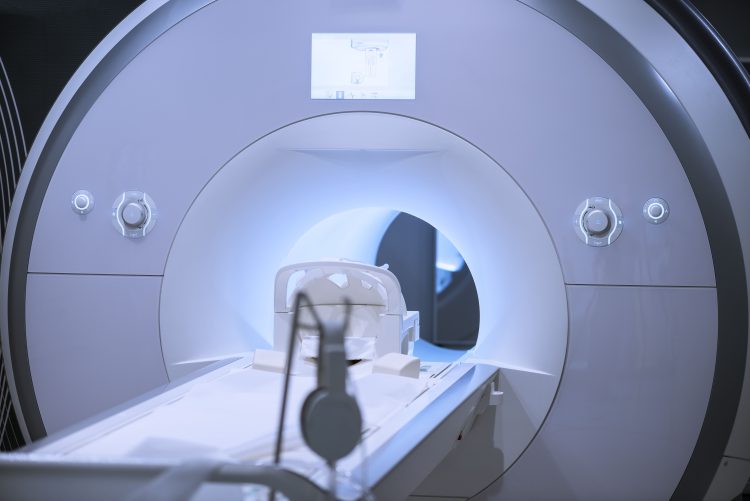
Depending on the initial assessment findings, further investigations may be considered, including cross-sectional imaging (CT or MRI venography) to evaluate the broader pelvic venous anatomy, or pelvic venography — a catheter-based investigation considered the reference standard for confirming venous reflux and assessing the anatomy of the pelvic veins in detail.

A full explanation of the diagnostic process, what each investigation involves, and what to expect is available on our dedicated Diagnosis page.

Frame 3540 Hero - Mobile (2)

Assessment And Care At The Venus Clinic

The Venus Clinic is a dedicated clinic in Singapore for the assessment and management of Pelvic Venous Disorder (PeVD), also known as Pelvic Congestion Syndrome (PCS). Led by Dr Sriram Narayanan (Dr Ram), Director and Senior Consultant Vascular and Endovascular Surgeon, the clinic brings together specialist expertise in diagnosis, minimally invasive vascular treatment, pelvic floor physiotherapy, and psychological support.

This multi-disciplinary care model reflects the understanding that PCS has physical, functional, and emotional dimensions. Effective management typically requires a coordinated approach that addresses all contributing factors, not only the venous anatomy.

The clinic is based at Mount Alvernia Hospital, #01-03 Medical Centre A, 820 Thomson Road, Singapore 574623. Procedures, where indicated, are performed at the Harley Street Heart and Vascular Centre, where Dr Sriram Narayanan serves as Director and Senior Consultant Vascular and Endovascular Surgeon.

Frequently Asked Questions About PCS

Is pelvic congestion syndrome a serious condition?

PCS is not life-threatening, but it can significantly affect quality of life. Persistent pain, reduced physical activity, disrupted sleep, and emotional distress are commonly reported consequences. A proper clinical assessment can help clarify the extent of the condition and the options available.

Can PCS go away on its own?

The underlying venous valve incompetence that causes PCS does not typically resolve without clinical management. Symptoms may fluctuate with hormonal changes or activity levels, but the structural venous cause generally requires specialist assessment and, where appropriate, treatment.

Is there a link between PCS and varicose veins in the legs?

Yes. Pelvic venous reflux can extend into the superficial veins of the legs, contributing to varicose veins that may not respond fully to standard leg vein treatment. Identifying the pelvic origin of leg varicose veins is important for comprehensive management.

Can PCS affect fertility?

The relationship between PCS and fertility is an area of ongoing research. While PCS has not been definitively established as a direct cause of infertility, emerging evidence suggests that pelvic venous congestion may be associated with ovulatory dysfunction and diminished ovarian reserve in some women. Any specific concerns regarding fertility should be discussed directly with your specialist.

Can women who have not had children develop PCS?

Yes. Whilst PCS is more commonly identified in women who have had two or more pregnancies, it can occur in women who have not been pregnant. This is particularly the case when an anatomical compression variant such as nutcracker syndrome or May-Thurner syndrome is present.

How long does it take to reach a diagnosis?

With a targeted specialist assessment including duplex ultrasound, a clinical assessment of whether PCS may be contributing to symptoms can often be completed within one to two consultations. Many women, however, have spent a considerable period of time seeking answers before being referred to a specialist vascular clinic. If you have experienced persistent pelvic pain without a clear explanation, a direct enquiry to our team is a straightforward first step.

Do I need a GP referral to enquire?

A GP referral is not required to make an initial enquiry at The Venus Clinic. You may contact our team directly by phone, WhatsApp, or email to discuss your symptoms and ask about the assessment process.

Is there a difference between PCS and Pelvic Venous Disorder (PeVD)?

The terms are closely related. ‘Pelvic Congestion Syndrome’ (PCS) has been in clinical use for several decades. In 2021, the American Vein and Lymphatic Society, together with an international multidisciplinary panel of vascular and gynaecological specialists from the USA, Canada, Europe, and Asia, adopted the broader classification ‘Pelvic Venous Disorder’ (PeVD) to encompass the full spectrum of pelvic venous conditions, including PCS, nutcracker syndrome, and May-Thurner syndrome. Both terms remain in use and refer to the same underlying family of conditions.

Is PCS covered by insurance or Medisave in Singapore?

Coverage depends on your insurer and policy type. As an interventional procedure performed in a licensed hospital, treatment may be claimable under integrated shield plans or surgical rider coverage — however, this varies by provider and plan tier. We recommend contacting your insurer directly with the procedure name to confirm your entitlements before your appointment. Our team is happy to assist with any documentation required for submission.

How is PCS treated?

The most established treatment is a minimally invasive procedure called ovarian vein embolisation — performed under imaging guidance, without open surgery, and typically as a day procedure. It works by sealing the affected veins to relieve congestion and reduce pain. A specialist assessment is needed first to confirm the diagnosis and determine whether you are a suitable candidate.

Individual outcomes, treatment requirements, and response times vary depending on each patient’s unique clinical presentation. The information on this page is intended as a general educational guide and does not replace a personalised consultation with a qualified specialist.

Take the Next Step Towards Understanding Your Symptoms

If persistent pelvic pain has gone without a clear explanation — and standard investigations have not provided an answer — a specialist venous assessment may offer diagnostic clarity that has not yet been explored. Contact our team at The Venus Clinic, Mount Alvernia Hospital, Singapore, to discuss your symptoms and enquire about a consultation with Dr Sriram Narayanan.

Make an enquiry

Got a Question? Fill up the form and we will get back to you shortly.

    VISIT US

    Our Clinic

    Our Clinic – Dr Sriram Narayanan

    image 12520

    Led by Dr Sriram Narayanan

    Director , Senior Consultant Vascular & Endovascular Surgeon

    Mount Alvernia Hospital, #01-03 Medical Centre A,
    820 Thomson Road, Singapore 574623

    +65 6219 3108 (Tel)
    +65 8666 9639 (Whatsapp)

    Mon – Fri: 8:30 AM – 5:30 PM
    Weekends & Public Holidays: Closed

    +65 8666 9639