


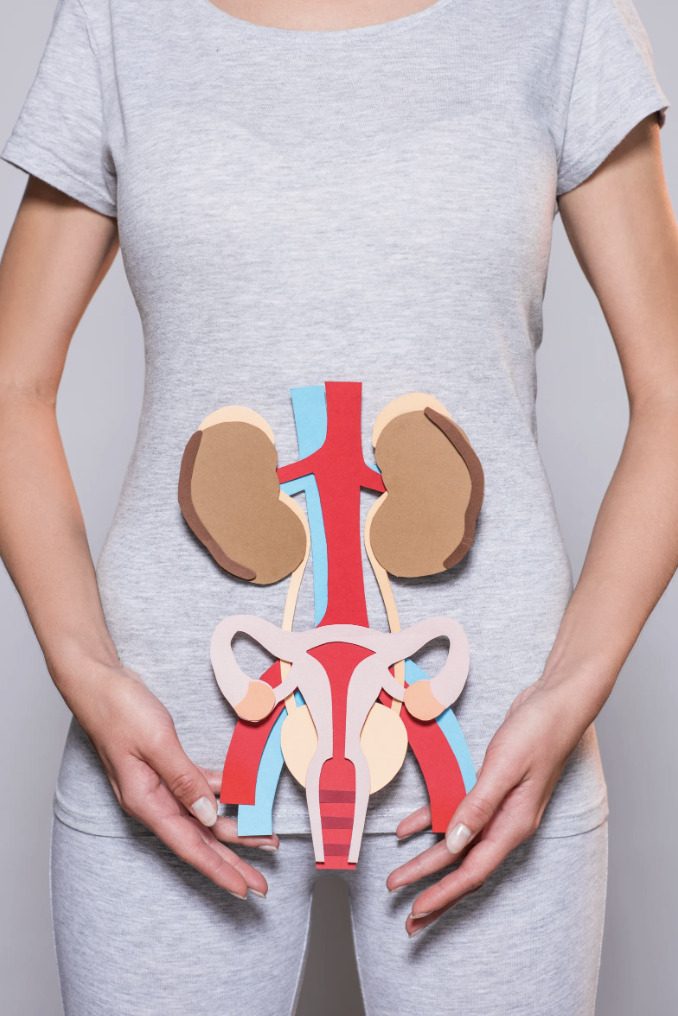



Non-Surgical Pelvic Congestion Syndrome Treatment in Singapore

A Specialist-Led Conservative Pathway

Pelvic congestion syndrome (PCS), now also clinically referred to as pelvic venous disorder (PeVD), causes chronic pelvic heaviness and dragging discomfort that can be addressed with a structured, non-surgical pathway. At The Venus Clinic in Singapore, conservative management is supervised by vascular specialist Dr Sriram Narayanan, Senior Vascular and Endovascular Surgeon, as part of a stepwise, evidence-based care pathway for pelvic venous disorder.

Screenshot Screenshot

Conservative management targets several points in this process at once:

  • Venoactive agents, including micronised purified flavonoid fraction (MPFF), diosmin, and hesperidin, improve venous tone, support circulation at the tissue level, and have anti-inflammatory effects that may help reduce venous distension and associated pain. The evidence base, while growing, remains limited.
  • Hormonal modulation aims to reduce the dilating and wall-weakening effects of female sex hormones on pelvic venous walls, one of several factors that contribute to venous reflux and distension in pelvic venous disorder. Hormonal modulation may include progestin-based therapy or, in select cases, GnRH analogues.
  • Pelvic floor rehabilitation addresses musculoskeletal contributors to pelvic floor dysfunction that frequently co-exist with pelvic venous disorder. While pelvic floor physiotherapy does not directly treat venous reflux, it is a recognised part of a broader, multimodal approach to managing pelvic pain.
  • Lifestyle modifications reduce the overall pressure load on your pelvic veins.

Together, these strategies aim to interrupt pain signalling and support more normal venous circulation over time.

Make An Enquiry

Who is a Suitable Candidate for Conservative Management?

Whether conservative management is the right starting point depends on several clinical factors that your specialist will evaluate carefully.

Symptoms That Typically Prompt Referral

Many patients describe symptoms they have endured for months or years.

Common experiences include:

  • Pelvic pain that worsens after prolonged standing
  • A heaviness that builds throughout the day
  • Discomfort during and after intercourse
  • Pain that eases when lying down and intensifies during physical activity

What often makes this condition frustrating is that routine gynaecological assessments may not reveal an obvious cause. You may have been told your ultrasound looks normal or that your symptoms might be stress-related. This does not mean your pain is imaginary. It often means the right diagnostic tools have not yet been applied.

Clinical Criteria for Suitability

Your specialist will consider several factors when determining whether conservative treatment is appropriate as a first-line approach:

  • Symptom severity and duration. Patients with moderate symptoms that interfere with daily function but have not progressed to severe, debilitating pain are often considered for an initial conservative trial.
  • Degree of venous reflux. Imaging studies reveal how much backward flow exists in your pelvic veins. Mild to moderate reflux may respond to conservative measures.
  • Reproductive considerations. If you are planning future pregnancies, your specialist may recommend conservative management to address symptoms while preserving your options. Pregnancy can influence pelvic vein function, so this factor plays an important role in treatment planning.
  • Broader medical profile. Your overall health, medication history, and any coexisting conditions, such as hormonal sensitivities or clotting disorders, will inform which conservative strategies are safe and appropriate for you.
  • The final determination always rests on a professional clinical assessment. No two patients present identically, and a thorough individual evaluation is the foundation of any effective management plan.

Experiencing pelvic heaviness or pain that worsens as the day goes on?

You may be living with Pelvic Venous Disorder, a treatable vascular condition that is frequently underdiagnosed.
A specialist assessment will evaluate your pelvic venous function and identify the most appropriate care pathway for your symptoms, whether that is conservative management, a minimally invasive procedure, or a combination of both.

Your enquiry is reviewed by Dr Sriram Narayanan’s clinical team, not a call centre.

What Preparation is Required Before Starting Conservative Treatment?

Before any treatment begins, your specialist needs to confirm that pelvic venous disorder is truly the cause of your symptoms. This diagnostic phase is critical and cannot be skipped; without it, there is no objective baseline against which your treatment response can be measured, and no reliable way to determine whether conservative management is working or whether a different approach is needed.

The Diagnostic Process

Pelvic venous disorder is frequently underdiagnosed or misattributed to other conditions. Many patients spend years cycling through different specialists because their symptoms overlap with endometriosis, irritable bowel syndrome, or musculoskeletal pain. Standard pelvic ultrasounds performed while lying down may also miss the dilated veins entirely, venous distension can be absent in the supine position, and targeted assessment techniques are not available at every centre. Understanding that a specific, specialist-led workup is necessary can be both validating and empowering.

Once the diagnosis is confirmed, your specialist will establish a clinical baseline that guides all subsequent treatment decisions, ensuring that your management plan is tailored to your anatomy and symptom profile, not a generic protocol.

For a detailed walkthrough of the imaging modalities, blood investigations, and clinical criteria used in diagnosis, see our full guide to pelvic congestion syndrome diagnosis.

What Happens During Conservative Treatment?

Conservative management for pelvic congestion syndrome is not a single intervention. It is a structured, multi-component programme that your specialist introduces, monitors, and adjusts over time.

Pharmacological Interventions

  • Venoactive agents form one cornerstone of medical management. These medications aim to improve venous tone and reduce venous distensibility, which may lower the degree of blood pooling and associated pressure that contributes to pain. They also have anti-inflammatory and angioprotective properties. Commonly used venoactive agents include micronised purified flavonoid fraction (MPFF), diosmin, and hesperidin-based formulations. Your specialist will select the most appropriate agent based on your clinical profile and monitor your response over time.
  • Hormonal modulation may also be incorporated. Because oestrogen and progesterone both influence venous wall tone and distensibility, your specialist may use hormonal therapies to reduce their vasodilatory effect on the pelvic veins. Options may include progestins, GnRH analogues, or, in select cases, a levonorgestrel intrauterine system. The specific approach depends on your reproductive goals, hormonal profile, and sensitivity to certain medications.
  • Pain modulation through targeted analgesics or anti-inflammatory agents may provide additional relief during the early stages of treatment. All medication selection is individualised, and treatment response is reviewed at scheduled intervals, allowing your specialist to adjust the regimen if needed. Self-adjusting doses or stopping medication without guidance is not recommended.

Physical and Lifestyle-Based Measures

  • Pelvic floor physiotherapy addresses the biomechanical contributors to your symptoms. A weakened or dysfunctional pelvic floor offers less support to the pelvic organs and vasculature. Targeted exercises aim to improve muscle coordination, address pelvic floor overactivity or myofascial tension, and reduce musculoskeletal contributors to pelvic pain that commonly coexist with PeVD, reducing the sensation of heaviness and improving daily functional tolerance.
  • Compression strategies may be recommended to support venous flow, particularly if your symptoms worsen with prolonged standing. Your specialist or physiotherapist will advise on appropriate options based on your daily routine.
  • Postural education helps you understand how certain positions or habits may be increasing venous pressure in your pelvis. Small adjustments to how you sit, stand, and move throughout the day may help reduce your symptom burden.
  • Activity modification does not mean avoiding exercise entirely. It means learning which activities support your vascular health and which may temporarily aggravate symptoms. Your specialist will guide you through these recommendations as part of a supervised programme that evolves as your body responds.

What is the Recovery and Adaptation Period Like?

Unlike a surgical procedure with a defined recovery window, conservative management involves a gradual biological adaptation period. Your body needs time to respond to the interventions, and progress is rarely linear.

During the initial phase, it is common to experience fluctuation in your pain levels. Some days may feel noticeably better while others feel unchanged or slightly worse. This does not mean the treatment is failing, it means your body is adjusting to new pharmacological inputs and physiological demands. One of the greatest challenges with conservative management is maintaining adherence when results are not immediate. The biological processes being targeted, such as vein wall remodelling and pelvic floor strengthening, operate on timescales of weeks to months rather than days.

Scheduled follow-up assessments are essential throughout this period. They allow your specialist to track objective improvements through imaging or symptom scoring, make timely adjustments, and provide reassurance that you are on track.


Phase Duration What You May Notice What Your Specialist Tracks
Early adjustment Weeks 1–4 Fluctuating pain levels; possible hormonal side effects such as mood changes, bloating, or breakthrough bleeding Medication tolerance, side effect profile, initial symptom scores
Early response Weeks 4–12 Gradual reduction in pelvic heaviness; improved endurance during activities that previously triggered pain; hormonal side effects beginning to settle Symptom scoring, pelvic floor function, venoactive agent response
Consolidation Months 3–6 More consistent pain relief; improved daily function; pelvic floor strengthening becoming measurable Repeat imaging where indicated, objective functional assessments, dosage review
Maintenance or escalation decision Months 6+ Sustained improvement in most responders; plateau or recurrence may indicate need for treatment adjustment Cumulative treatment response, decision on continuation, modification, or escalation to procedural intervention

Unsure whether your current treatment plan is delivering adequate progress?

Structured follow-up assessments provide objective measurement of symptom change and allow timely programme adjustments to support a clearer recovery pathway.

How Does Conservative Management Compare to Other Treatment Options?

When researching pelvic venous disorder (what has traditionally been called pelvic congestion syndrome), you will likely encounter information about procedural treatments such as transcatheter embolisation and surgical ligation. It is important to understand how these relate to conservative management.

  • Conservative management

    Conservative management targets symptoms and haemodynamic dysfunction through pharmacological, physical, and behavioural means. It does not physically alter the veins themselves.

  • Transcatheter embolisation

    Transcatheter embolisation is a minimally invasive procedure where a specialist blocks the affected veins from within, using coils or sclerosant agents delivered through a catheter. This directly addresses the structural problem of incompetent veins.

  • Surgical ligation

    Surgical ligation involves physically tying off the dysfunctional veins, though this approach is less commonly used today due to the availability of less invasive alternatives.

Comparing Your Options at a Glance


Approach Mechanism Suitable For Recovery Day Procedure?
Conservative Management Improves venous tone, reduces blood pooling, and retrains pelvic floor function through medication, physiotherapy, and behavioural change Confirmed pelvic venous disorder with mild to moderate symptoms; patients who prefer to avoid or delay procedural intervention Gradual adaptation over weeks to months; no procedural downtime Yes, all interventions are outpatient-based
Transcatheter Embolisation Physically blocks incompetent pelvic veins using coils or sclerosant agents delivered via catheter, eliminating the source of venous reflux Moderate to severe symptoms; patients where conservative management has not provided sufficient relief, or where structural vein incompetence is the primary driver Typically, 1–2 days of post-procedural rest; most patients return to normal activities within a week Yes, performed under local anaesthesia as a day procedure in most cases
Surgical Ligation Incompetent veins are physically tied off under general or regional anaesthesia Less commonly indicated today; may be considered where endovascular access is not feasible. Longer recovery compared to embolisation; general anaesthesia carries additional considerations No, requires admission.
business-people-discussing-charts-using-digital-ta-2026-01-06-08-52-37-utc (1) business-people-discussing-charts-using-digital-ta-2026-01-06-08-52-37-utc (1)

The Stepwise Treatment Algorithm

These approaches are not mutually exclusive. Clinical reasoning typically follows a stepwise algorithm, and conservative management is often the right starting point, particularly when symptoms are moderate, when you are navigating family-planning considerations, when you prefer to avoid procedural intervention, or when imaging shows mild-to-moderate venous reflux without significant structural incompetence.

For some patients, conservative management provides sufficient relief as a standalone approach. For others, it serves as a preparatory or complementary strategy that works alongside procedural intervention. Pelvic floor rehabilitation, for example, may continue after embolisation to address residual symptoms or muscle dysfunction that developed during years of chronic pain, meaning the two approaches often work better together than either would alone.

For patients with severe reflux, significant structural vein incompetence, or those who have completed a conservative trial without adequate relief, transcatheter embolisation is the established next step. Your specialist will guide this decision based on your imaging findings, symptom severity, and treatment goals, ensuring that whatever pathway you follow is grounded in objective evidence rather than assumption.

What Are the Costs of Conservative Management for Pelvic Congestion Syndrome in Singapore?

The total cost of a conservative management programme depends on several factors: the complexity of your diagnostic workup, the duration and composition of your pharmacotherapy, the number of physiotherapy sessions required, and your follow-up frequency. Because no two presentations are identical, the ranges below are indicative only. A personalised estimate will be provided following your initial specialist consultation.

Indicative Cost Breakdown by Phase

Cost Component Indicative Range (SGD) Notes
Initial specialist consultation $250 – $450 Includes clinical history, examination, and treatment planning at a private vascular specialist clinic
Diagnostic imaging (transvaginal duplex ultrasound with venous reflux assessment) $250 – $500 Specialist vascular duplex studies involve additional technical assessment beyond a standard pelvic ultrasound and are priced accordingly
Targeted bloodwork $100 – $300 Dependent on panel scope; hormonal, inflammatory, and clotting markers
Pharmacotherapy (monthly) $50 – $200 Varies by agent class; venoactive agents are generally lower cost than hormonal therapies
Pelvic floor physiotherapy (per session) $150 – $250 Specialist women’s health physiotherapy; typically 6–12 sessions recommended in the initial treatment phase
Follow-up consultations $180 – $300 per visit Frequency depends on treatment response; typically every 4–8 weeks initially

All figures are before GST and are subject to change.

filling-out-health-insurance-form-at-desk-2026-01-08-01-25-42-utc (1)

Medisave, MediShield Life, and Integrated Shield Plan Coverage

Diagnostic investigations such as specialist duplex ultrasound and specialist consultations at a licensed private specialist clinic are generally claimable under Medisave within applicable withdrawal limits, subject to the nature of the procedure and your insurer’s policy terms.

Pharmacotherapy dispensed in the outpatient setting is typically not covered under MediShield Life or Integrated Shield Plans, though some plans offer outpatient riders that may apply. Pelvic floor physiotherapy sessions may be partially covered depending on your Integrated Shield Plan and whether the sessions are conducted at an approved provider.

We recommend contacting your insurer prior to commencing treatment to confirm your coverage position. Our clinic team can assist with documentation, pre-authorisation requests, and itemised breakdowns to support your claims process.


doctor-explains-costs-to-patient-at-workplace-2026-03-24-05-03-32-utc (1)

Conservative Management vs Procedural Treatment: A Cost Perspective

Conservative management carries a lower upfront cost than transcatheter embolisation. However, for patients whose symptoms do not respond adequately to conservative measures and who subsequently require procedural intervention, the cumulative cost of both pathways combined may exceed the cost of proceeding to embolisation earlier.

Your specialist will provide an honest assessment of your likelihood of responding to conservative management based on your imaging findings, so that your treatment decisions are financially as well as clinically informed.

What Outcomes May Conservative Management Support?

The most meaningful way to understand potential outcomes is through the lens of your daily life. Individual responses vary, and the following describes what some patients may experience. Your specialist will discuss realistic expectations based on your individual profile.

  • Reduced Daily Pain Burden

    Some patients report a reduction in the constant heaviness or aching that previously affected their daily awareness. This may mean getting through a workday with less discomfort, or returning to activities that had become difficult.

  • Improved Physical Capacity

    As pelvic floor strength improves and venous pressure decreases, standing for longer periods, exercising moderately, or moving through your day may become more comfortable. The sensation of heaviness may gradually lessen.

  • Improved Comfort During Intimacy

    PeVD frequently causes pain during or after intercourse, medically termed dyspareunia, which can significantly affect quality of life and intimate relationships. Conservative management aims to reduce this discomfort through a combination of venoactive therapy, hormonal modulation, and pelvic floor rehabilitation, supporting greater physical comfort during intimacy as treatment progresses.

  • A Greater Sense of Control

    Understanding your condition, knowing that a structured plan is in place, and experiencing gradual improvement can restore a sense of agency over your own body.

Important Balancing Factors: Individual responses vary considerably. Your outcomes will depend on the severity of your venous insufficiency, your adherence to the treatment plan, and how your body responds to specific interventions. Some patients experience meaningful, sustained relief. Others may find that conservative measures reduce but do not fully resolve their symptoms, and these patients may benefit from escalation to interventional options. Your specialist will help you interpret your progress honestly and adjust your pathway accordingly.

Understanding the Risks and Limitations of Conservative Treatment

Transparency about what conservative management can and cannot achieve is an essential part of informed decision-making.

Medication-Related Side Effects

All pharmacological agents carry the potential for adverse effects. Venoactive medications are generally well-tolerated, but some patients may experience gastrointestinal discomfort or skin reactions. Hormonal therapies may cause mood fluctuations, weight changes, or menstrual irregularities.

Incomplete Symptom Resolution

Conservative management may not fully eliminate all symptoms for every patient. If the underlying structural incompetence of the veins is severe, pharmacological and physical measures may provide partial rather than complete relief. This represents valuable clinical information that guides the next step in your care.

Risk of Symptom Recurrence

Conservative management addresses symptom drivers and venous tone effectively for many patients. In those with significant structural reflux, however, symptoms may return when medication is reduced or stopped. For these patients, long-term maintenance, a transition to interventional treatment, or a combined approach may provide the most durable outcome. Your specialist will monitor your response over time and guide this conversation based on objective clinical evidence, not assumption.

The Role of Specialist Oversight

Regular monitoring by your specialist supports the identification of early signals that conservative measures may be reaching their ceiling. This allows for timely, informed conversations about whether to continue, adjust, or escalate your treatment plan.

Common Questions About Conservative Management for Pelvic Congestion Syndrome

Will I still need surgery or a procedure eventually?

Not necessarily. Some patients achieve sustained relief through conservative measures alone. Others may benefit from interventional procedures such as transcatheter embolisation, particularly where significant structural venous reflux is present. This decision is made collaboratively based on your imaging findings and treatment response, never as a default.

How long before I notice improvement from conservative treatment?

Most patients begin to notice initial changes between weeks 4 and 12, with more consistent relief emerging between months 3 and 6. Venoactive agents may show measurable symptom effects within the first one to four weeks. Pelvic floor physiotherapy typically requires consistent effort over six to twelve weeks before measurable functional improvement becomes apparent. Your specialist will track your progress at scheduled intervals and adjust your plan accordingly.

Is conservative treatment for pelvic congestion syndrome effective?

Conservative management is an established care pathway for pelvic venous disorder, particularly for patients with moderate symptoms, mild-to-moderate venous reflux, or family-planning considerations. It is most effective when treatment is tailored to the individual’s clinical profile, consistently adhered to, and monitored by a specialist. For patients with severe structural reflux, conservative measures may provide partial relief, and a combined or interventional approach may offer more durable outcomes.

Is conservative treatment for pelvic congestion syndrome Medisave claimable in Singapore?

Diagnostic investigations such as specialist duplex ultrasound and specialist consultations at a licensed private specialist clinic are generally claimable under Medisave within applicable withdrawal limits. Outpatient pharmacotherapy is typically not covered under MediShield Life or standard Integrated Shield Plans, though outpatient riders may apply. Pelvic floor physiotherapy coverage depends on your specific plan and provider. We recommend confirming your coverage position with your insurer before commencing treatment. Our clinic team can assist with documentation and pre-authorisation requests.

Who treats pelvic congestion syndrome in Singapore?

Pelvic venous disorder is primarily managed by vascular and endovascular surgeons with specialist expertise in venous disease. In Singapore, dedicated vascular clinics offer the full spectrum of care from diagnosis through to conservative management and interventional procedures. No GP referral is required to access a private vascular specialist.

What is the success rate of conservative management for pelvic congestion syndrome?

Response rates vary depending on symptom severity, the degree of venous reflux, and individual patient factors. Conservative management provides meaningful symptom reduction for a significant proportion of patients with mild-to-moderate disease. Your specialist will assess your likelihood of response based on your imaging findings and clinical profile at your initial consultation.

Can I still exercise during treatment?

Yes, in most cases moderate exercise is encouraged. Your specialist and physiotherapist will guide you on which activities support venous return and which may temporarily aggravate symptoms.

Will my symptoms come back if I stop medication?

Symptoms may return if medication is stopped, particularly in patients with significant underlying venous reflux. Your specialist will discuss long-term maintenance strategies and the appropriate time to review or taper your pharmacotherapy based on your clinical response.

Is this condition related to my pregnancies?

Pregnancy can be a risk factor for pelvic venous insufficiency due to increased blood volume and hormonal changes that dilate veins. Pelvic venous disorder also occurs in women who have never been pregnant.

Do I need to avoid certain activities?

Some patients find that prolonged standing, heavy lifting, or specific postures worsen their symptoms. Your specialist will provide individualised guidance rather than blanket restrictions.

Can conservative treatment be combined with other procedures?

Yes. Conservative management often complements interventional treatments. Physiotherapy, for example, may continue after embolisation to address residual pelvic floor dysfunction.

How often will I need follow-up appointments?

Follow-up frequency depends on your treatment phase. Visits are typically more frequent early in management and spaced out as your condition stabilises.

Is conservative management suitable for all ages?

Suitability depends on clinical factors rather than age alone. Your specialist will assess whether conservative measures are appropriate for your specific situation.

Looking Ahead: Sustaining Long-Term Symptom Control

Pelvic venous disorder, formerly referred to as pelvic congestion syndrome, is a chronic condition requiring a long-term management perspective. After the active treatment phase, your specialist continues to play a central role through periodic reassessment.

Sustained lifestyle modifications, ongoing pelvic floor maintenance, and adherence to evidence-based strategies may help preserve the gains you have achieved. A specialist-led ongoing relationship supports you in navigating any future changes in symptom status with clinical clarity.

Ready to take the next step? Choose the option that best reflects where you are in your journey.

For patients who have not yet been formally assessed and would like a diagnosis, imaging, and a personalised treatment plan.

For patients who have already been investigated elsewhere and would like a second opinion or to explore treatment options based on existing results.

image 12520 mobile doc

Led by Dr Sriram Narayanan

Senior Vascular and Endovascular Surgeon

The Venus Clinic is led by Dr Sriram Narayanan (Dr Ram), a Senior Vascular and Endovascular Surgeon with over two decades of clinical experience in vascular surgery in the United Kingdom and Singapore.

  • Bachelor of Medicine and Master of Surgery (Bombay)
  • Fellow of the Royal College of Surgeons (General Surgery, Glasgow)
  • Dip Laparoscopic Surgery (France)

Dr Ram was among the first surgeons in Singapore to develop vein stenting, intravascular ultrasound (IVUS), and duplex ultrasound assessment protocols for Pelvic Congestion Syndrome. He has published extensively on vascular disease and has served as a faculty member and trainer at international vascular and vein conferences, including training programmes in the UK and Asia focused on pelvic duplex ultrasound for PCS.

Learn more about Dr Ram

Speak With Our Team

If you would like to discuss your symptoms or enquire about a consultation, please contact us by phone, WhatsApp, or email. You may also complete the enquiry form on our Contact page. A GP referral is not required to make an initial enquiry.

    VISIT US

    Our Clinic

    Our Clinic – Dr Sriram Narayanan

    image 12520

    Led by Dr Sriram Narayanan

    Director , Senior Consultant Vascular & Endovascular Surgeon

    Mount Alvernia Hospital, #01-03 Medical Centre A,
    820 Thomson Road, Singapore 574623

    +65 6219 3108 (Tel)
    +65 8666 9639 (Whatsapp)

    Mon – Fri: 8:30 AM – 5:30 PM
    Weekends & Public Holidays: Closed

    +65 8666 9639