






Pelvic Vein
Embolisation in
Singapore

If you have been living with chronic pelvic heaviness, unexplained varicose veins around your thighs, or deep discomfort that worsens after standing, you may be dealing with pelvic venous insufficiency. Often described as “varicose veins in the pelvis,” this vascular condition may be treated in Singapore with a procedure called pelvic vein embolisation.

4a6dbe57364c4538806f1a8bca876dac721f8d25 Hero - Mobile (1)

Non-Invasive Therapies for Pelvic Venous Disorder (PeVD) or Pelvic Congestion Syndrome

Many patients with the symptoms of the condition may not require a procedure or operation at all and can have their symptoms managed well with targeted supportive treatments. These include

Venotonic medication

Venotonic medication

strong link underline italic

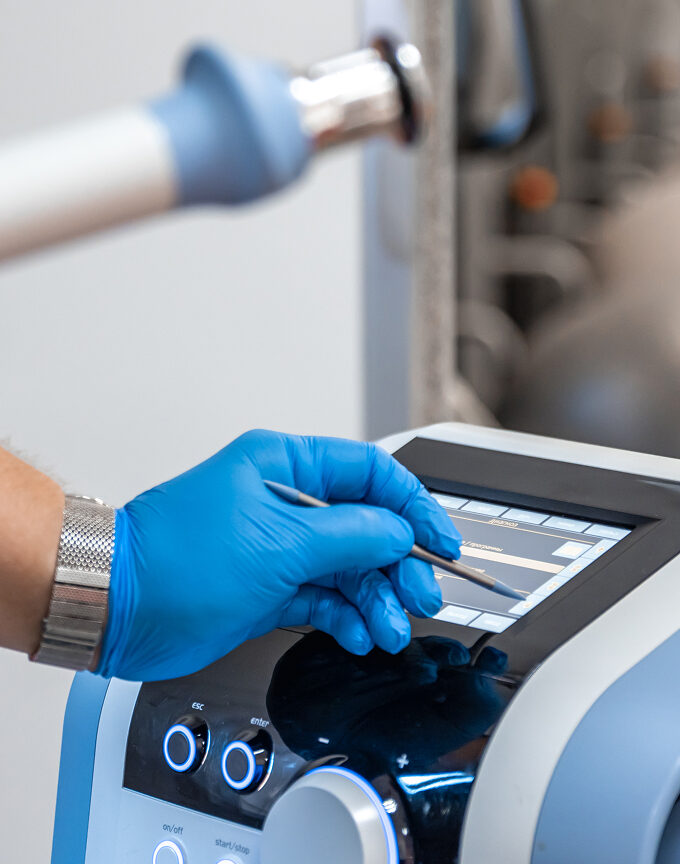
Low intensity ultrasonic extra corporeal shock wave therapy or ESWT

Is based on delivering a unique set of sound waves that stimulate the metabolism, enhance blood circulation and accelerate the healing process within the pelvis. After treatment, damaged cells gradually regenerate and damaged tissues eventually heal. These non-invasive outpatient procedures have been shown to be effective as adjunctive treatment for chronic pelvic pain, enhance repair and function of the pelvic floor and improve mild urinary incontinence that is often associated in women with Pelvic Venous Disorder (PeVD) or Pelvic Congestion Syndrome (PCS) after multiple pregnancies. The therapy typically involves 6-9 sessions once a week and is offered via our clinical vascular surgery partners at the Harley Street Heart and Vascular Centre at Gleneagles Hospital by trained ESWT nurses, where Dr Ram is the Senior Vascular Surgeon.

Frame 3547

Who Is a Suitable Candidate for Pelvic Vein Embolisation?

Not everyone with pelvic pain will require embolisation.
Candidacy depends on a careful evaluation of your symptoms, their duration, and a confirmed vascular cause.

Symptom patterns that suggest a pelvic venous origin include:

  • Chronic pelvic pain lasting six months or longer that worsens after prolonged standing, walking, or physical activity
  • A deep, dragging heaviness in the lower abdomen or pelvis that eases when you lie down
  • Pain during or after sexual intercourse that lingers for hours
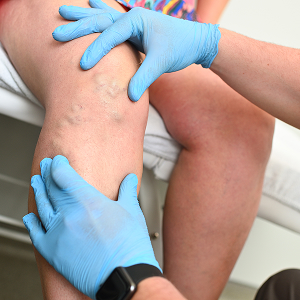
  • Visible varicose veins around the vulva, inner thighs, or buttocks that cannot be explained by standard lower-limb venous disease
  • A history of symptoms that began during or after pregnancy, or that have progressively worsened with successive pregnancies, noting that PeVD can also occur in women who have not been pregnant
Make An Enquiry
Frame 3540 Hero - Mobile (2)

The importance of exclusion

Many gynaecological and urological conditions share overlapping symptoms with PeVD. Endometriosis, uterine fibroids, ovarian cysts, interstitial cystitis, and musculoskeletal pelvic floor dysfunction can all produce chronic pelvic discomfort. Before embolisation is considered, these conditions must be assessed and either excluded or identified as co-existing factors.

Dr Sriram Narayanan, who leads The Venus Clinic team, emphasises a comprehensive evaluation that addresses both the medical and psychosocial dimensions of pelvic venous disorder. His approach includes pelvic floor assessments alongside vascular imaging to ensure the full clinical picture is understood before any procedural decision is made.

The Treatment Process

close-up-view-doctor-holding-medical-endoscope-s-2026-01-05-06-33-33-utc 1 (8)

Pre-Treatment Preparation

  • Chronic pelvic pain lasting six months or longer that worsens after prolonged standing, walking, or physical activity
  • A deep, dragging heaviness in the lower abdomen or pelvis that eases when you lie down
  • Pain during or after sexual intercourse that lingers for hours
  • Visible varicose veins around the vulva, inner thighs, or buttocks that cannot be explained by standard lower-limb venous disease
  • A history of symptoms that began during or after pregnancy, or that have progressively worsened with successive pregnancies, noting that PeVD can also occur in women who have not been pregnant
close-up-view-doctor-holding-medical-endoscope-s-2026-01-05-06-33-33-utc 1 (8)

During the Procedure

  • Chronic pelvic pain lasting six months or longer that worsens after prolonged standing, walking, or physical activity
  • A deep, dragging heaviness in the lower abdomen or pelvis that eases when you lie down
  • Pain during or after sexual intercourse that lingers for hours
  • Visible varicose veins around the vulva, inner thighs, or buttocks that cannot be explained by standard lower-limb venous disease
  • A history of symptoms that began during or after pregnancy, or that have progressively worsened with successive pregnancies, noting that PeVD can also occur in women who have not been pregnant
close-up-view-doctor-holding-medical-endoscope-s-2026-01-05-06-33-33-utc 1 (8)

Immediate Post-Treatment

  • Chronic pelvic pain lasting six months or longer that worsens after prolonged standing, walking, or physical activity
  • A deep, dragging heaviness in the lower abdomen or pelvis that eases when you lie down
  • Pain during or after sexual intercourse that lingers for hours
  • Visible varicose veins around the vulva, inner thighs, or buttocks that cannot be explained by standard lower-limb venous disease
  • A history of symptoms that began during or after pregnancy, or that have progressively worsened with successive pregnancies, noting that PeVD can also occur in women who have not been pregnant

Endovascular or Minimally Invasive Treatments for Pelvic Venous Disorder (PeVD) or Pelvic Congestion Syndrome

These are procedures done to correct the abnormal blood flow and reduce the pooled blood volume in the deep veins of the pelvis. Different procedure options are required depending on the precise location of the problem in the pelvic veins, whether further pregnancies are planned and what the symptoms are. This emphasises the importance of an accurate diagnosis as well as symptom assessment. These procedures may need to be combined in patients where the veins at multiple sites are involved.

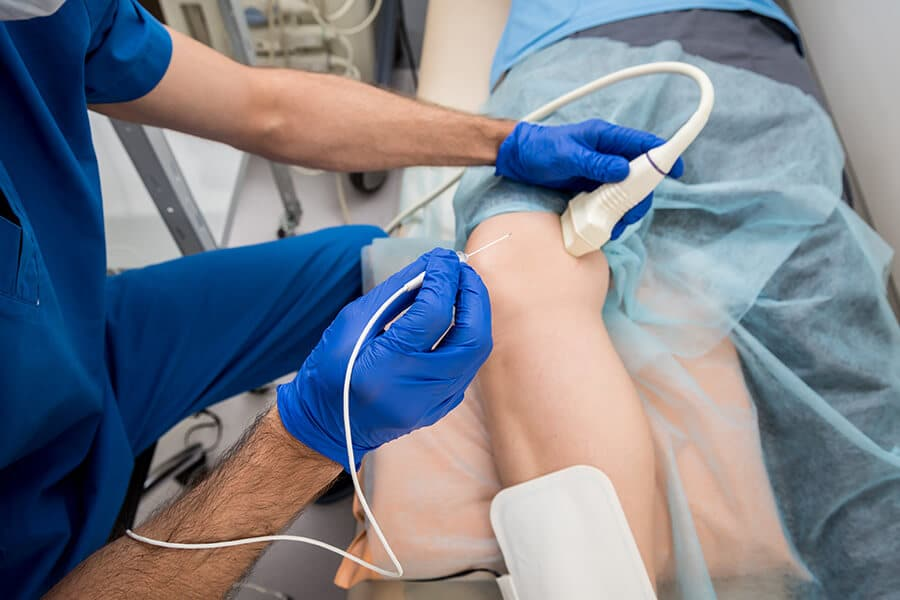
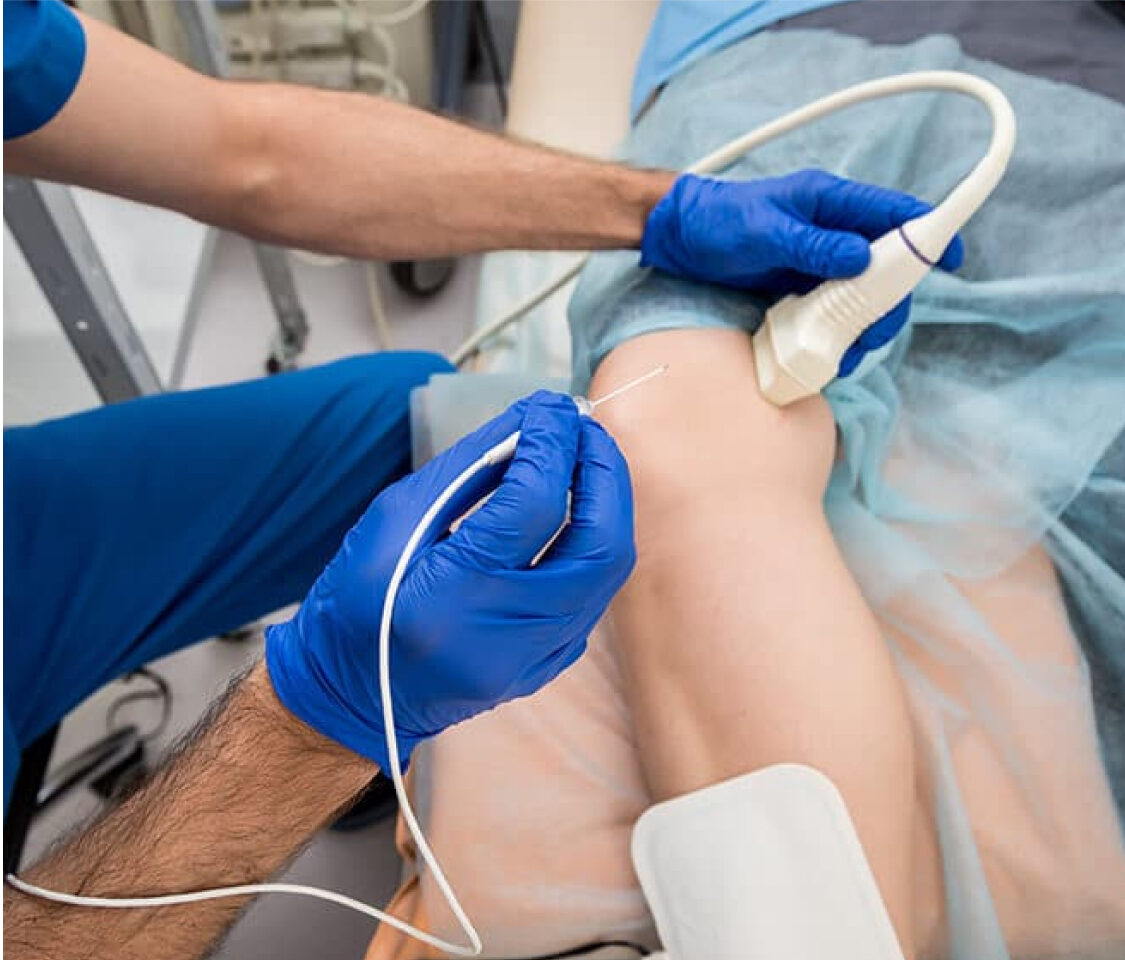
Ovarian vein embolisation When the source of problem are the veins draining the ovary, they can be treated with special platinum coils using a key-hole technique. The procedure may be a day-surgery procedure or may need an overnight stay and usually requires a short general anaesthetic. It is performed under X-ray control and guided by special ultrasound catheters that can view the veins from inside the vessel (Intra vascular ultrasound).
Sclerotherapy and glue embolisation These are used to close or block off the diseased deep veins in the pelvis. A drug, called a sclerosant is injected into the target veins under X-ray and Ultrasound guidance to cause closure of these veins and decrease the venous blood volume in the pelvis. Sclerotherapy is also often used when there are varicose veins in the groin or private areas around the vagina. Sometimes, this may be combined with the use of medical glue to further reduce the diseased blood volume.
Iliac vein stenting This may be required when blockages in the large veins draining the legs and the pelvis cause venous hypertension and congestion in the veins around the uterus, vagina and in the pelvis. A metallic tube (called a stent, similar to but much larger than a heart stent) is placed within the blocked vein to relieve the blockage and allow the blood in the veins to flow normally. The procedure needs an overnight stay and usually a short general anaesthetic. It is performed under X-ray control and guided by special ultrasound catheters that can view the veins from inside the vessel (Intra vascular ultrasound).

Other Groups That May Be Affected

4.9 stars (500+ Google Reviews)

Women with a single pregnancy

Women with a single pregnancy, post-menopausal women (in some cases), women who have undergone multiple IVF cycles, women with a family history of varicose veins.

post-menopausal women (in some cases),

Women with a single pregnancy, post-menopausal women (in some cases), women who have undergone multiple IVF cycles, women with a family history of varicose veins.

Women who have undergone multiple IVF cycles

Women with a single pregnancy, post-menopausal women (in some cases), women who have undergone multiple IVF cycles, women with a family history of varicose veins.

Women with a family history of varicose veins.

Women with a single pregnancy, post-menopausal women (in some cases), women who have undergone multiple IVF cycles, women with a family history of varicose veins.

Patient-Centred Planning

Care discussions consider your symptoms, neurological function, and personal treatment goals in a structured and supportive setting.

Understanding Brain Specialist Evaluation

Neurological symptoms can be complex and may require specialist assessment to better understand possible causes and appropriate next steps.

A brain specialist consultation includes:

  • Review of your symptoms and medical history
  • Assessment of MRI or CT brain scans (if available)
  • Clinical evaluation where appropriate
  • Clear explanation of findings and possible causes

Why Specialist Evaluation Matters:

  • A structured consultation helps provide clarity, reduce uncertainty, and guide appropriate care decisions.of your symptoms and medical history
  • Recommendations may include monitoring, further investigations, or treatment options based on your clinical evaluation.

Your experienced urology specialist in Singapore employs established protocols, careful patient selection, and precise technique to minimise complication risks. Pre-treatment evaluation identifies risk factors, allowing appropriate precautions and patient counselling about realistic expectations.

*Individual results and timelines may vary.*

Conservative management targets
several points in this process at once:

4.9 stars (500+ Google Reviews)

Venoactive agents

Improve venous tone, support circulation at the tissue level, and have anti-inflammatory effects that may help reduce venous distension and associated pain. The evidence base, while growing, remains limited.

Hormonal modulation

Aims to reduce the dilating and wall-weakening effects of female sex hormones on pelvic venous walls — one of several factors that contribute to venous reflux and distension in pelvic venous disorder.

Pelvic floor rehabilitation

Addresses musculoskeletal contributors to chronic pelvic pain that frequently co-exist with pelvic venous disorder. While it does not directly treat venous reflux, it is a recognised part of a broader, multimodal approach to managing pelvic pain.

Lifestyle modifications

Reduce the overall pressure load on your pelvic veins.

How Pelvic Vein Embolisation Works

To understand how this procedure helps, it is useful to first understand what occurs at the vascular level.
Frame 1973

Your pelvic veins have a job.

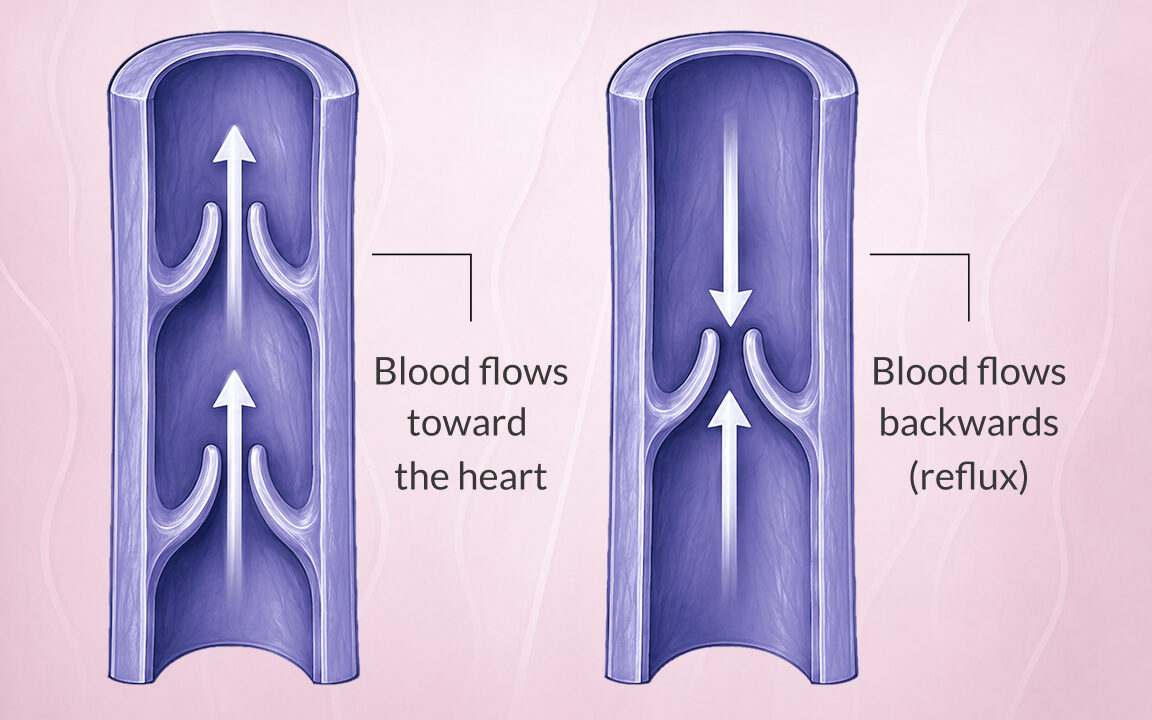
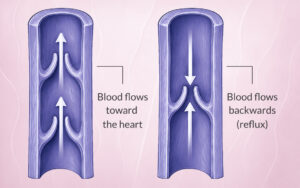
They drain venous blood away from the uterus, ovaries, and surrounding pelvic structures back toward the heart. Inside these veins, small one-way valves prevent blood from flowing backwards. When these valves become incompetent (meaning they no longer close properly), blood begins to flow in the wrong direction. This is called retrograde flow, or reflux.
Frame 1974

The result is venous pooling.

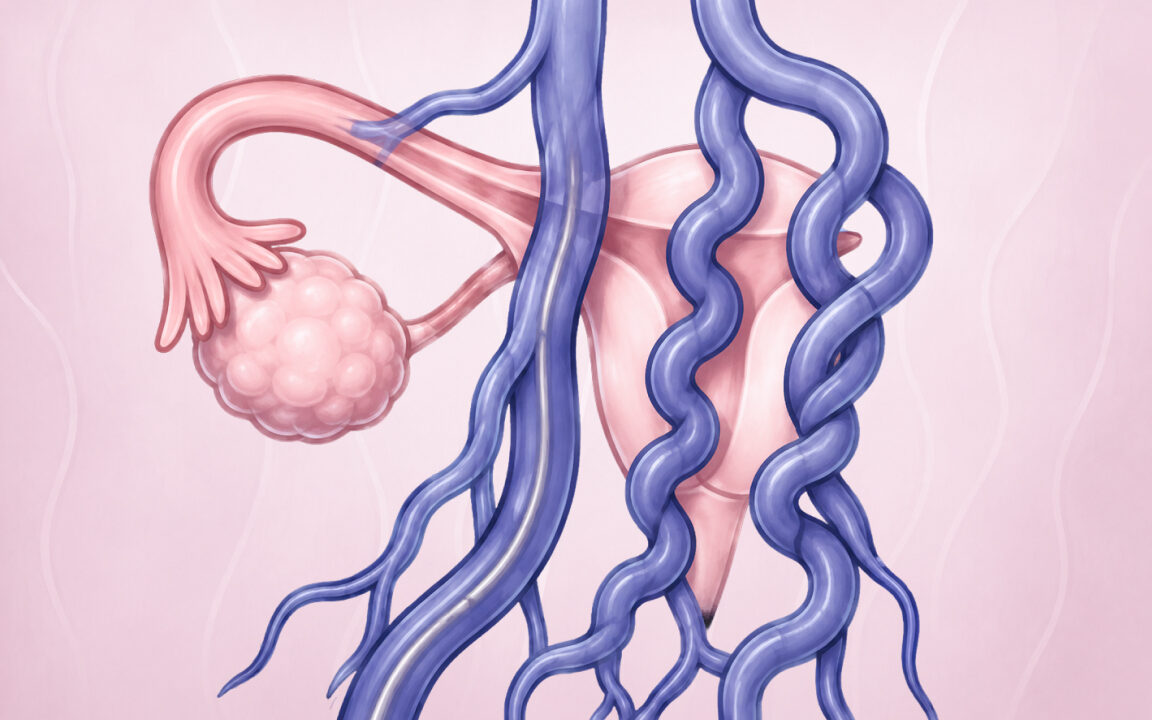
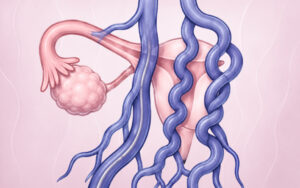
Blood accumulates in the ovarian veins and their pelvic tributaries, causing them to dilate and become engorged. This creates sustained venous hypertension (raised blood pressure within the pelvic veins). Over time, this increased pressure leads to the chronic aching, heaviness, and fullness that characterise PeVD.

Frame 1974 (1)

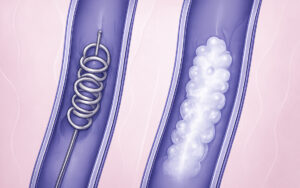
Embolisation works by deliberately sealing These dysfunctional vessels.

A vascular surgeon navigates a catheter (a thin, flexible tube) into the incompetent veins and deploys embolic agents, such as metallic coils or sclerosant solutions, to close them. Once sealed, these veins can no longer carry refluxing blood. The body then naturally redirects venous drainage through healthy, competent pathways.

Frame 2147223875

The result is a reduction in pelvic venous pressure.

With less pooling and engorgement, the mechanical source of symptoms is addressed at its origin.

What to Expect During the Scan

  • Preparation, duration (approximately 30–60 minutes):

    Lorem ipsum dolor sit amet consectetur. Eget condimentum vel dictum vulputate pellentesque lorem. Iaculis lorem dolor mauris ultricies sagittis congue sit velit dictum.

  • Trans-abdominal component (like a normal pelvic ultrasound)

    Cursus velit tortor scelerisque ultrices mauris vitae. Orci lectus semper augue nibh magna faucibus arcu.

  • Transvaginal component(explained sensitively)

    Vestibulum venenatis natoque porta ac eleifend ut. Ultrices est adipiscing consectetur feugiat in nunc ac tincidunt. Amet tortor enim sed nunc.

  • No radiation

    Nisi lectus nec non sed proin suspendisse risus vivamus. Tristique sollicitudin feugiat ornare felis pretium blandit elit sed. Fringilla fermentum nunc ipsum viverra id lobortis.

  • Performed by trained clinician.

    Eget pretium gravida rhoncus ultrices malesuada.
    Ipsum dui ullamcorper tortor lobortis est diam. Velit id non aliquam mauris pulvinar vulputate suspendisse sed eget.

  • Empathetic

    Tellus nisl nunc porttitor sed non tincidunt. Aliquet elementum est sed nisi. Iaculis tellusTellus nisl nunc porttitor sed non tincidunt. Aliquet elementum est sed nisi. Iaculis tellus enim dignissim dolor. Pellentesque molestie dui eu ipsum ultricies lorem. enim dignissim dolor. Pellentesque molestie dui eu ipsum ultricies lorem.

  • Informative

    Nisi lectus nec non sed proin suspendisse risus vivamus. Tristique sollicitudin feugiat ornare felis pretium blandit elit sed. Fringilla fermentum nunc ipsum viverra id lobortis.

Hero - Mobile (1)

Who Is a Suitable Candidate for Pelvic Vein Embolisation?

Not everyone with pelvic pain will require embolisation.
Candidacy depends on a careful evaluation of your symptoms, their duration, and a confirmed vascular cause.

Symptom patterns that suggest a pelvic venous origin include:

  • Chronic pelvic pain lasting six months or longer that worsens after prolonged standing, walking, or physical activity
  • A deep, dragging heaviness in the lower abdomen or pelvis that eases when you lie down
  • Pain during or after sexual intercourse that lingers for hours
  • Visible varicose veins around the vulva, inner thighs, or buttocks that cannot be explained by standard lower-limb venous disease
  • A history of symptoms that began during or after pregnancy, or that have progressively worsened with successive pregnancies, noting that PeVD can also occur in women who have not been pregnant

How Pelvic Vein Embolisation Works

To understand how this procedure helps, it is useful to first understand what occurs at the vascular level.

Frame 1973

Your pelvic veins have a job.

They drain venous blood away from the uterus, ovaries, and surrounding pelvic structures back toward the heart.

Inside these veins, small one-way valves prevent blood from flowing backwards. When these valves become incompetent (meaning they no longer close properly), blood begins to flow in the wrong direction. This is called retrograde flow, or reflux.
Frame 1974

The result is venous pooling.

Blood accumulates in the ovarian veins and their pelvic tributaries, causing them to dilate and become engorged.

This creates sustained venous hypertension (raised blood pressure within the pelvic veins). Over time, this increased pressure leads to the chronic aching, heaviness, and fullness that characterise PeVD.

Embolisation works by deliberately sealing These dysfunctional vessels.

A vascular surgeon navigates a catheter (a thin, flexible tube) into the incompetent veins and deploys embolic agents, such as metallic coils or sclerosant solutions, to close them.

Once sealed, these veins can no longer carry refluxing blood. The body then naturally redirects venous drainage through healthy, competent pathways.

Consult with a doctor that focuses on PeVD

If you would like to discuss your symptoms with Dr Ram, you may reach out through our contact page.

image 12520 mobile doc

Led by Dr Sriram Narayanan

Senior Vascular and Endovascular Surgeon

The Venus Clinic is led by Dr Sriram Narayanan (Dr Ram), a Senior Vascular and Endovascular Surgeon with over two decades of clinical experience in vascular surgery in the United Kingdom and Singapore.

  • Bachelor of Medicine and Master of Surgery (Bombay)
  • Fellow of the Royal College of Surgeons (General Surgery, Glasgow)
  • Dip Laparoscopic Surgery (France)

Dr Ram was among the first surgeons in Singapore to develop vein stenting, intravascular ultrasound (IVUS), and duplex ultrasound assessment protocols for Pelvic Congestion Syndrome. He has published extensively on vascular disease and has served as a faculty member and trainer at international vascular and vein conferences, including training programmes in the UK and Asia focused on pelvic duplex ultrasound for PCS.

Learn more about Dr Ram

Speak With Our Team

If you would like to discuss your symptoms or enquire about a consultation, please contact us by phone, WhatsApp, or email. You may also complete the enquiry form on our Contact page. A GP referral is not required to make an initial enquiry.

    VISIT US

    Our Clinic

    Our Clinic – Dr Sriram Narayanan

    image 12520

    Led by Dr Sriram Narayanan

    Director , Senior Consultant Vascular & Endovascular Surgeon

    Mount Alvernia Hospital, #01-03 Medical Centre A,
    820 Thomson Road, Singapore 574623

    +65 6219 3108 (Tel)
    +65 8666 9639 (Whatsapp)

    Mon – Fri: 8:30 AM – 5:30 PM
    Weekends & Public Holidays: Closed

    +65 8666 9639